Vision 2030 reframes construction as a data product
When Vision 2030 set the trajectory for the Kingdom in 2016, the construction implications were not obvious. A decade in, they are. The combined ambition of NEOM, Trojena, Sindalah, the Red Sea Project, Diriyah, Qiddiya, and the Riyadh metro programmes has forced the entire delivery stack to digitise, because no human-paced workflow can plan, sequence, and inspect construction at this scale.
Three substack shifts dominate the 2026 picture:
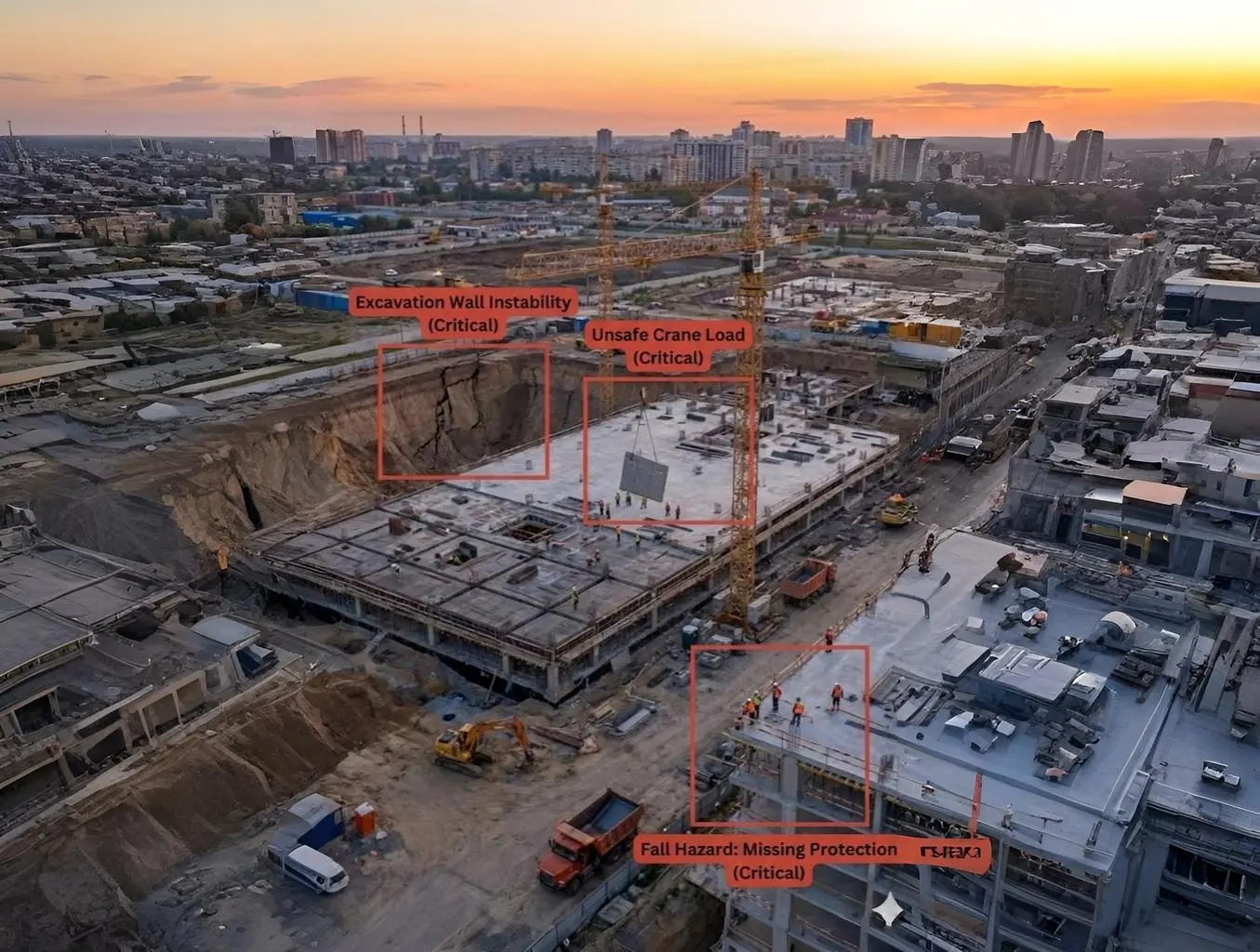
- AI vision on every site. Cameras already exist. The unlock is interpretation — counting workers, flagging missing PPE, measuring stockpile volumetrics, classifying defects. See the Smart Monitoring overview and the PPE detection field guide.
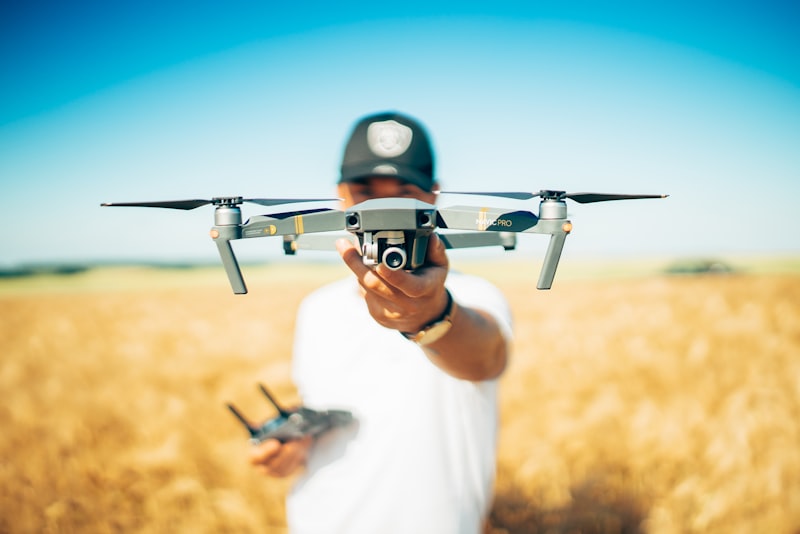
- Drones replace traditional surveys. Weekly aerial capture has become the default progress-tracking cadence. Manual surveys persist only inside facilities or where airspace is unavailable. The drone site survey solution collects the relevant capability.
- BIM is contract-of-record. On megaprojects the BIM comparison view of design vs as-built is now what owners pay against — not weekly photo reports.
The megaproject reference set
You do not need to build for NEOM scale to learn from how NEOM scales. A short reference list:
NEOM and The Line
The Line pushes verticality and modularity simultaneously. Industrial-AI signals to take from public information:
- Permanent overhead drone capture with site-segmented airspace permits
- BIM authoring across multiple consortia with a unified CDE
- Digital twins that update against sensor and capture data, not just monthly milestones
Trojena
Trojena’s mountain terrain rewrote what “site survey” means. As of public data May 2026, it is the most photogrammetry-intensive Saudi project on record, because manual ground surveys are infeasible across the elevation gain.
Sindalah
Sindalah’s island geometry made marine-delivery logistics the bottleneck. AI vision on dock-side cameras tracks barge throughput against schedule; the equipment tracking solution maps closely to those workflows.
Riyadh Metro
Open since late 2024 in phased segments, Riyadh Metro normalised AI vision in transport infrastructure. Station construction relied heavily on progress tracking and as-built BIM workflows.
Why Vision 2030 forces digitisation — three structural reasons
1. Schedule density
Vision 2030 megaprojects compress timelines that elsewhere take twice as long. There is no slack to absorb manual reporting lags. Daily progress data has become the floor, not the ceiling.
2. Multi-contractor coordination
A single megaproject runs 50–200 contractors concurrently. Manual coordination collapses; only a shared digital twin and a structured event stream keep parties aligned. The 3D site mapping pipeline describes the geometry side of that.
3. Saudisation and IKTVA pressure
Owners are scored on local content. AI and drone tooling reduces dependence on imported survey crews while increasing demand for local operators and analysts — a compatible combination with IKTVA targets.
Vendor selection criteria for KSA owners
When a Saudi owner or main contractor is selecting an AI/drone/BIM vendor in 2026, the public-data baseline checks worth running are:
| Criterion | Why it matters in KSA | Question to ask |
|---|---|---|
| Saudi cloud residency | PDPL data path, sovereignty | Is video stored on KSA-resident infrastructure? |
| Arabic UI | Field-team adoption | Is the operator UI fully MSA Arabic, not partial? |
| GACA permit workflow | Drone airspace clearance | Does the vendor manage GACA submissions? See GACA drone permits guide. |
| IKTVA / Saudi-Made | Contract scoring | Latest IKTVA score and Saudi-Made registration status? |
| BIM CDE integration | Contract of record | Does the platform write into Autodesk Construction Cloud / Bentley iTwin / Trimble Connect? |
| PDPL DPO | Lawful basis | Is a registered DPO assigned and named in the contract? |
| Edge-deployable AI | Latency, network | Hailo-8 / Jetson support for sites without reliable bandwidth? |
| Training and transfer | Saudisation | Documented operator training programme in Arabic? |
For a deeper procurement view see the IKTVA reality check, and for the technical edge-vs-cloud trade see the CCTV vs edge AI decision tree.
Common digitisation mistakes Saudi owners are still making in 2026
Three patterns appear repeatedly in megaproject reviews:
- Buying tools without a CDE strategy. Drone footage, AI events, and BIM models accumulate in vendor silos. The lock-in cost shows up in year three.
- Treating AI as one product. PPE detection, defect detection, progress tracking, and intrusion are different problems with different model classes and different KPIs. See the defect detection, intrusion detection, and progress tracking pages.
- Underspecifying PDPL. “We use cloud” is not a posture. The contract needs DPO names, retention windows, and the right-to-erasure pipeline. The PDPL compliance checklist lays the minimum out.
How owners measure ROI in 2026
The KPI vocabulary has stabilised. Five metrics are showing up in board packs across KSA megaprojects:
- Workplace incident reduction
- Defect-escape rate
- Schedule slippage delta vs baseline
- Stockpile volumetrics accuracy
- RFI response time
Each maps to a concrete vendor capability. Walked through in detail in the Construction AI ROI guide.
Next steps
If you are scoping a Vision 2030 programme, start with the Smart Monitoring solution overview, the drone site survey capability, and the BIM comparison workflow. For procurement scoring criteria see the companion guides on IKTVA and PDPL compliance.
Request a Vision 2030 programme review and we will produce a 30-day digitisation gap assessment against the criteria above.